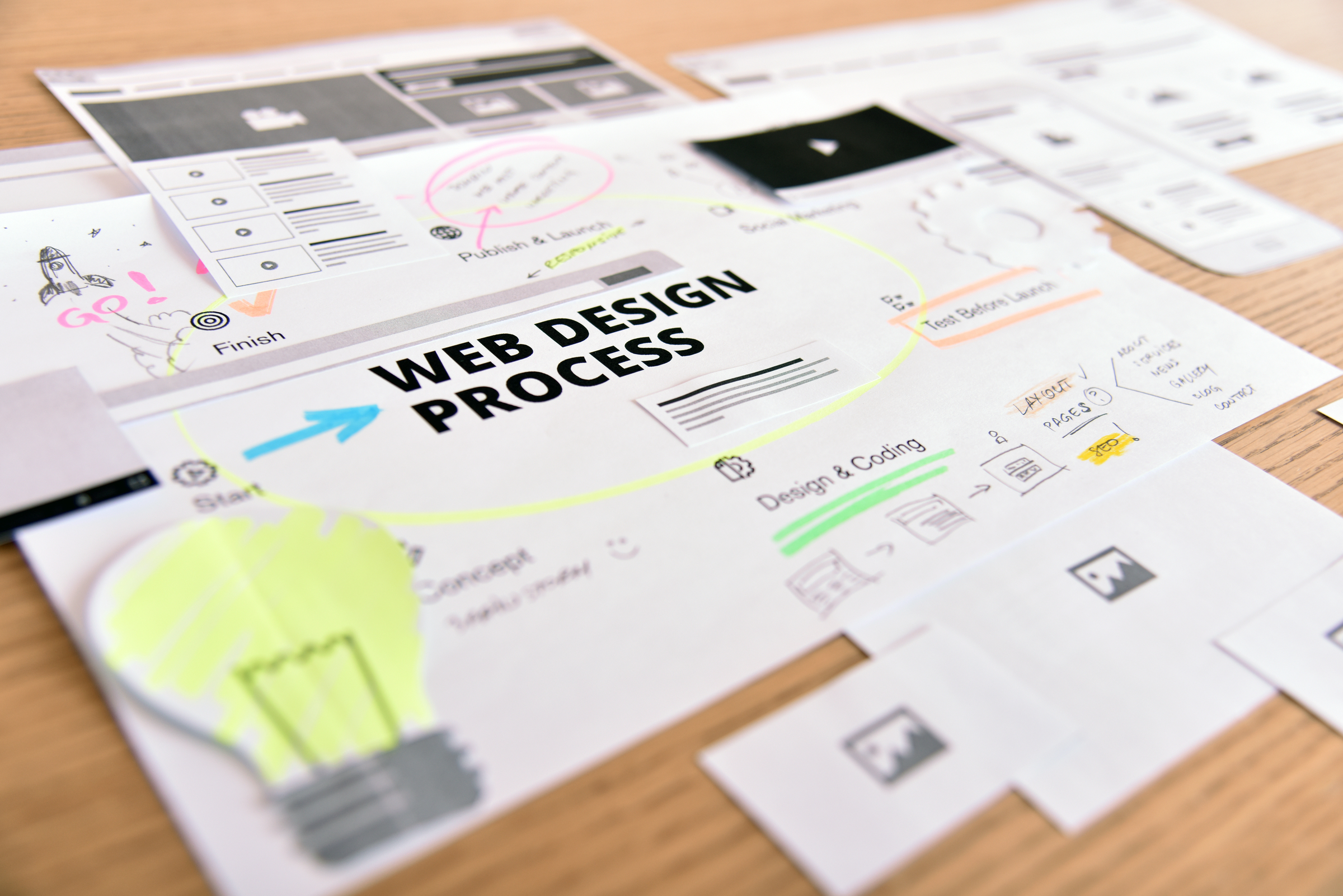


Building a website can feel like a huge step, especially if you’re a small business owner trying to do it all. Between the technical jargon and endless design options, it’s hard to know where to start or what truly matters. In this post, I’ll walk you through essential small business website tips so you can build something useful, clear, and ready to grow with you.
Whether you’re just beginning your website planning or want to make smarter decisions from day one, this guide is built for real people, not web pros. As someone who’s worked on new web design projects across industries, I’ve seen where people get stuck and know how to help them get unstuck.
Before choosing a platform or considering color schemes, you need to answer one big question: Why are you building this site? A good website doesn’t try to do everything. It serves a clear purpose and is built around that goal.
Maybe you want to generate new leads, showcase your services, or provide a means for people to contact you. Your goal will guide every decision you make, from layout to content to features. Without a clear purpose, your site can quickly become cluttered or confusing.
When your purpose is front and center, your site becomes more focused and more useful. It helps visitors understand what you do and what to do next. Once you’ve defined your goal, you’re ready to think about who your website is really for.
Your website isn’t for you; it’s for the people you want to drive to your business. Understanding your audience helps you make better choices about content, structure, and design. If you try to speak to everyone, you’ll end up speaking to no one.
Think about the kind of people you want to attract. Are they customers looking for your services? Are they people comparing your business to others in your area? What questions do they have? What actions do you want them to take? Knowing your audience makes it easier to create content that speaks to their needs.
When you build your site around your visitors, it becomes a tool that works. Clear navigation, helpful content, and obvious next steps all come from understanding your users. With your audience in mind, the next step is figuring out how to organize what they’ll see.
A well-organized website helps people find what they’re looking for without getting lost. One of the most important parts of website planning is creating a simple, useful flow that makes sense.
Start by listing the pages you need. For most small businesses, this includes a homepage, about page, services page, contact page, and possibly a blog. You don’t need twenty pages to look professional. You need the right five, built with intention.
Once you know what pages you need, sketch out how they connect. Your menu should reflect your site’s structure clearly and cleanly. Now that you’ve got your sitemap, it’s time to choose the tools that will bring it all to life.
Not all website platforms are created equal. Some are easier for beginners, others give you more flexibility and control in the long run. Choosing the right one depends on your goals, time, and budget.
WordPress is a great choice for small business websites because it’s flexible, scalable, and great for SEO. Builders like Wix and Squarespace are easier to start with, but can become limiting as your needs grow. Think about the features you want now and the ones you might like to add six months from now.
A good platform should support your goals, not get in the way. Once you’ve picked your tools, it’s time to start thinking about the face of your business: your brand.
Your brand is more than a logo. It’s the way people feel when they visit your site and how they remember you afterward. Strong branding builds trust and sets you apart.
Start with the basics: a memorable domain name, a color palette that feels right, and a voice that sounds like you. Use consistent fonts, images, and language across all pages. Even if your business is brand new, a clean, consistent look shows professionalism.
Good branding helps people recognize and remember you. It also sets the stage for your content, and content is what turns visitors into customers.
Content is the engine of your website. It’s what people come for, and it’s what search engines use to decide where you show up in search results. If you’re not planning your content, you’re missing the biggest opportunity your website has to offer.
Start by outlining the main points each page should cover. What questions do your visitors have? What problems can you solve for them? Keep your answers simple, clear, and focused on their needs. Use your keywords, like “small business website tips” and “beginner web design,” naturally throughout your content.
When you build your content with purpose, it supports your SEO and serves your audience at the same time. With your words in place, the next piece is making sure everything looks and works the way it should.
It’s tempting to chase trendy designs and flashy features, but that rarely serves your visitors. The best small business websites are the ones that are easy to use, easy to read, and easy to trust.
Choose clean layouts, legible fonts, and simple navigation. Make sure your site looks good on mobile and loads quickly. Add clear calls to action so your visitors always know what to do next. Don’t try to impress with complexity. Instead, earn trust with clarity.
Good design builds confidence. Once your design supports your content, it’s time to make sure the technical pieces are in place.
Behind every good website is a set of invisible tools doing important work. If you ignore them, your site might still function, but it won’t perform at its best.
Install Google Analytics and Search Console to track how people find and use your site. Add an SSL certificate to keep your site secure. Compress your images and test your page load speed. These steps may not be flashy, but they make a big difference in how your site performs and ranks.
Taking care of the tech basics up front saves you time and stress later. And with everything set up, you’ll be ready to launch with confidence.
Before you hit publish, give your site a thorough check. Test every link and form. Check how things look on different devices. Fix typos and broken layouts. It’s easier to fix problems now than explain them to visitors later.
When you do go live, don’t stop there. Share your site on social media, send it to friends, and add the link to your email signature. Keep an eye on how people use it and make small improvements over time.
Launching your site isn’t the finish line; it’s the starting point for building something real online. And now that you’ve got a strong foundation of small business website tips and practical advice, you’re one step closer to getting it right.